
What Is an LP Album? Format, Length and When to Make One
What is an LP album? LP means long play: the full-length album on vinyl or digital, how it differs from an EP, and when electronic artists actually need one.
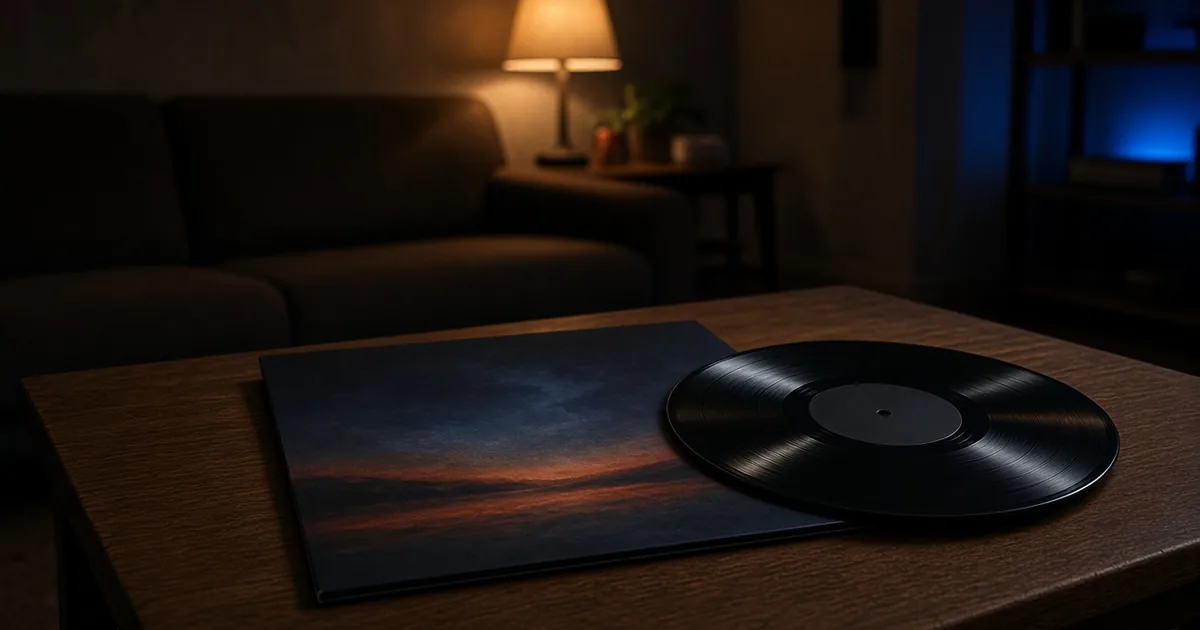
What is an LP album? LP stands for long play. It began as Columbia’s 33⅓ rpm vinyl format in 1948 and became the standard full-length record. Today LP and album are used interchangeably for a complete project, whether it is pressed to vinyl or released only on streaming. In electronic music an LP is still a bigger commitment than an EP: more tracks, more budget, and a longer campaign.
An LP is the full-length album. Use it when you have a complete body of work, not when you simply have leftover tracks.
LP means long play
The original LP was a 12-inch or 10-inch microgroove disc that held roughly twenty minutes a side. That physical length trained people to think of an album as about forty minutes of music. The name stuck. When an artist or label says “LP2”, they mean their second album, not a special vinyl-only object.
An LP is not always vinyl. A streaming-only album is still an LP in industry language. Vinyl is a format choice on top of the project.
How long is an LP album?
There is no single global rule. Apple Music generally treats releases outside its single and EP definitions as albums. The UK Official Charts Company has used a threshold around more than four tracks or over 25 minutes for album eligibility, which is not the same as Apple’s EP window. Spotify and distributors also classify by track count and duration.
A practical picture: seven or more tracks, or more than about thirty minutes, will usually be filed as an album. Two long ambient pieces can also become an LP on running time alone.
What does EP mean in the music industry?When electronic artists should make an LP
Club culture still runs on singles and EPs. An LP makes sense when you have a wider artistic statement, a live show to support, or a label that wants a campaign rather than a twelve-inch. It costs more to mix, master, artwork and promote. Many producers build a name on EPs first, then deliver an LP once the audience and the catalogue can carry it.
If you do press vinyl, plan the side splits early. A 12-inch LP still has physical limits per side; cramming 28 minutes onto one side at the expense of bass is a club problem, not a collector flex. Digital-only LPs skip that constraint, but they still need a sequence that holds attention for forty minutes, which is a different skill from writing four DJ tools.
LP, album and the streaming listing
On streaming, listeners see “album”. In label meetings you will still hear “LP”. They are the same project. What changes is the campaign: more artwork variants, more promo, often a lead single pulled from the album, and a longer recoupment conversation if a label is involved.
An LP is also a rights object. Every recording still needs its own ISRC. The album as a product needs a UPC. If you later issue a deluxe with two extra tracks, those extras are new recordings and need new codes; the original LP’s codes should not be recycled.
How to start a music labelFrequently asked questions
Is an LP the same as an album?
In modern use, yes. LP is the older technical name; album is the everyday word.
Is an LP always vinyl?
No. LP started as vinyl. Now it means a full-length album on any format.
How many tracks are on an LP album?
Often seven or more, but duration can override track count. Check how your distributor and store will classify the release.
Should my first release be an LP?
Usually not in electronic music. A focused EP or a strong single is easier to finish, fund and place with a label.